India’s road to 100 Grandmasters
India invented chess, then waited until 1987 for its first Grandmaster. Today it is one of the strongest chess nations in the world. How did that happen?
Each pawn is one Grandmaster, placed in title order from a1. Orange: Tamil Nadu. Blue: other states. Ring: women GMs. Tap any pawn.
What is a Grandmaster? It is chess’s highest lifetime title, awarded by FIDE, the world chess federation. To earn it a player needs norms, strong results in qualifying tournaments, and a rating of at least 2500. Once won, the title never expires.
This story starts with the whole chess world, then zooms in: to India’s long road to its first Grandmaster, to one state that produces more than any other, and to the players themselves. It ends with where the 100th will come from.
India among the chess nations
How does India compare with the rest of the chess world?
From one circle in a crowd to one of the largest
Grandmasters by country on each FIDE list. Circle area shows the number of GMs, on the same scale in every year. Pick a year.
Map: Natural Earth (public domain). The 1988 and 2000 lists include only players with a current rating; the 2013 and 2026 lists also include inactive players. Countries are shown as they were, so 1988 has the Soviet Union and Yugoslavia. Players under the FIDE flag are not placed on the map.
Show the data as a table
Older chess nations carry long lists of retired Grandmasters.
India is among the leading chess nations
Countries with the most Grandmasters on the latest FIDE list.
Show the data as a table
India has pulled away from its neighbours
Grandmasters on each FIDE list: India, China and Bangladesh.
Show the data as a table
At the very top
The 2700 club
A rating of 2700 marks the very top of the game; players above it are often called super Grandmasters.
India’s players rated 2700 or more
Active players on the latest FIDE list, with their world ranking.
The top of the game has moved
Active players rated 2700 or more, by country. Hollow dot: 2013. Solid dot: 2026.
Show the data as a table
World champions
How did the country that invented chess get here? Go back to the beginning, when India had the game but no Grandmasters.
The game India gave the world
Chess began as chaturanga in India around the 6th century, in the time of the Gupta empire. Its pieces stood for the four divisions of an army: infantry, cavalry, elephants and chariots.
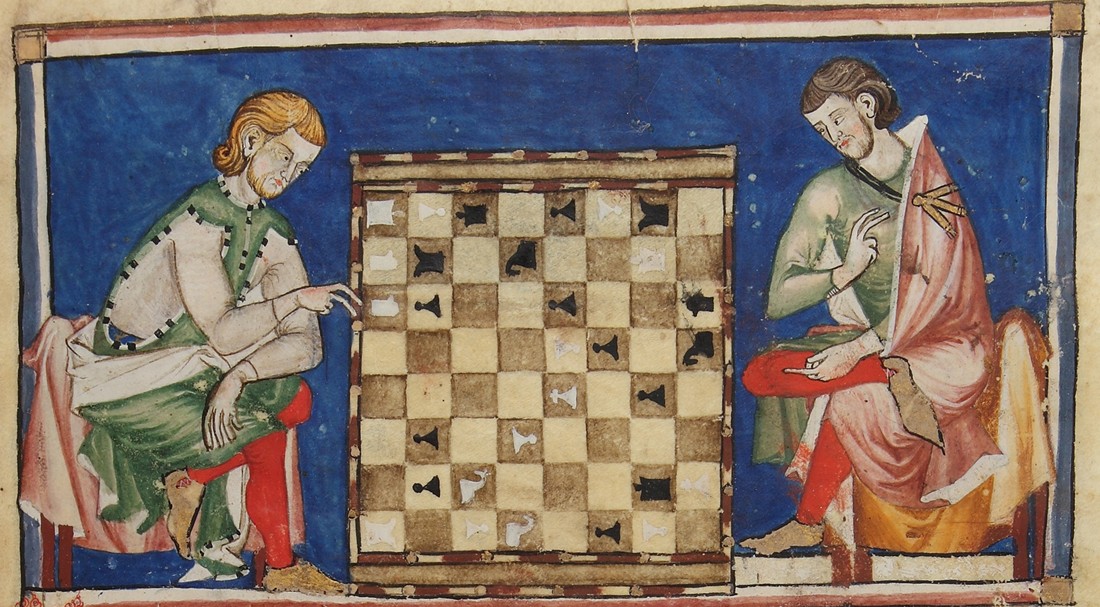
The game travelled west to Persia, where it became shatranj, and on to Europe, where it took its modern rules. The country where chess was born would wait until 1987 for its first Grandmaster.
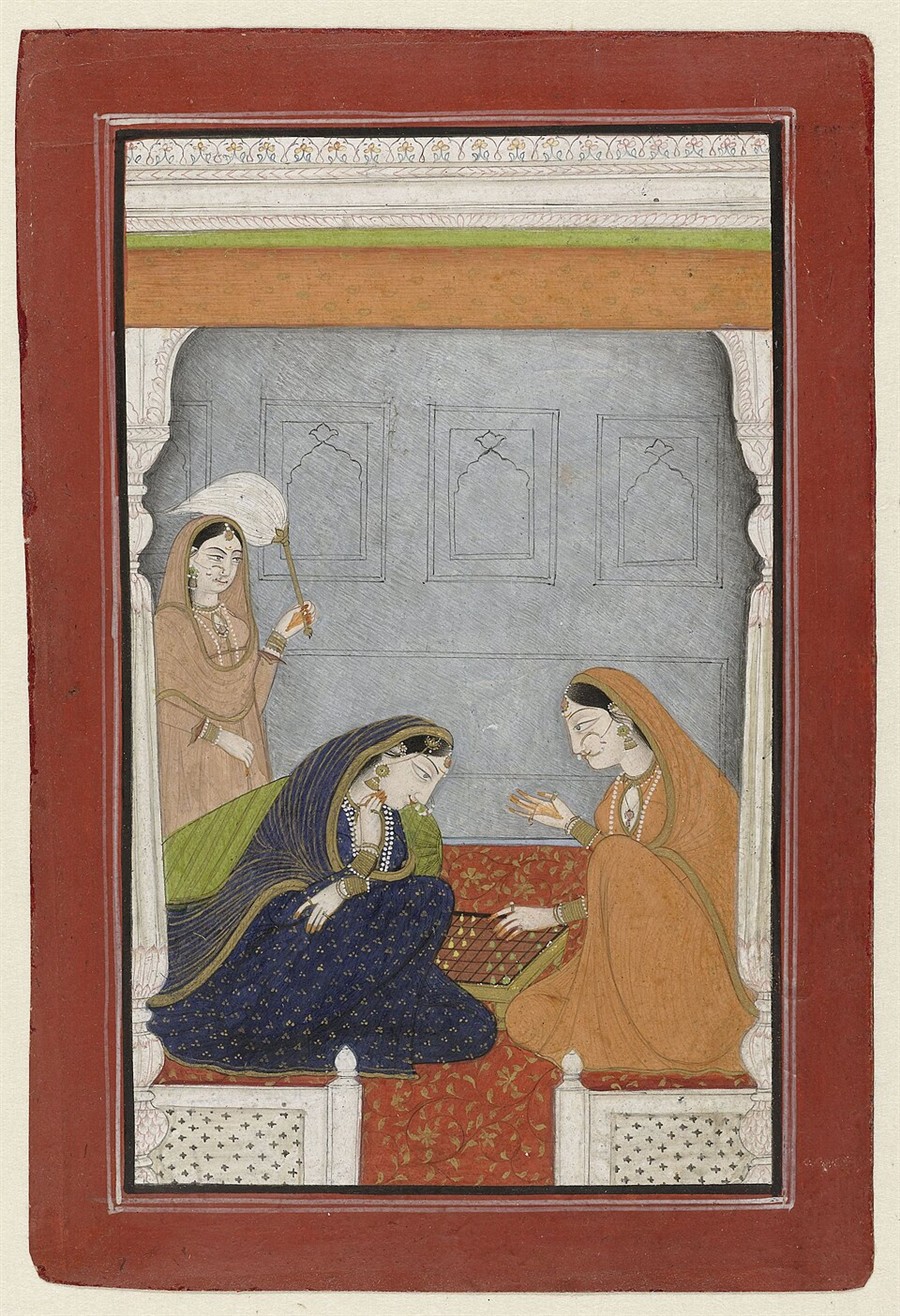

From chaturanga to chess
The route the game took west
- ChaturangaIndia, about 600. A war game with four divisions of the army.
- ShatranjPersia, later. The game spreads through the Persian and Arab world.
- ChessEurope, later. The modern rules take shape.

The prodigy before independence
Before India had a federation, it had Mir Sultan Khan. From Punjab in British India, he won the British Championship in 1929. At Hastings in 1930/31 he beat José Raúl Capablanca, a former world champion.
He played for England at three Olympiads. In 1933 he returned to India and gave up competitive chess. The Grandmaster title did not exist yet; FIDE first awarded it in 1950.
Four years at the top
- 1929Wins the British Championship
- 1931Beats Capablanca at Hastings 1930/31
- 1933His third Olympiad for England
Building the institutions
After independence, Indian chess had to build itself. The All India Chess Federation was formed in 1951. Four years later Ramchandra Sapre became the first national champion.
In 1961 Manuel Aaron became India’s first International Master, one level below Grandmaster. He went on to win nine national titles, and in 1962 he became the first chess player to receive the Arjuna Award.
India would wait another 26 years for its first Grandmaster.

Thirty-six years from federation to first GM
Spaced to scale. The long gap is the wait.
- 1951All India Chess Federation founded
- 1955Ramchandra Sapre, first national champion
- 1961Manuel Aaron, first International Master
- 1962Aaron receives the Arjuna Award
- 1987Viswanathan Anand, first Grandmaster
The Soviet connection
On 14 August 1972, Aaron opened the Tal Chess Club in the library of the House of Soviet Culture in Madras. The Soviet Union, then the centre of world chess, supplied a hall, Russian-made sets and clocks, and Russian chess publications.
The club hosted a simultaneous exhibition by the Soviet grandmaster Yuri Averbakh, and in 1987 Asia’s first women’s GM tournament. It closed after the USSR dissolved. Aaron also imported Russian books, taught players Russian, and in 1982 started Chess Mate magazine.
What was in the room
What Moscow sent to Madras
- A hall
- in the House of Soviet Culture
- Sets
- Russian-made pieces and boards
- Clocks
- for serious tournament play
- Books
- Russian chess publications
- Chess Mate
- Aaron’s magazine, from 1982
- Membership
- Rs 4 a year, or about Rs 20 a month. Sources disagree.
The boy in the corner
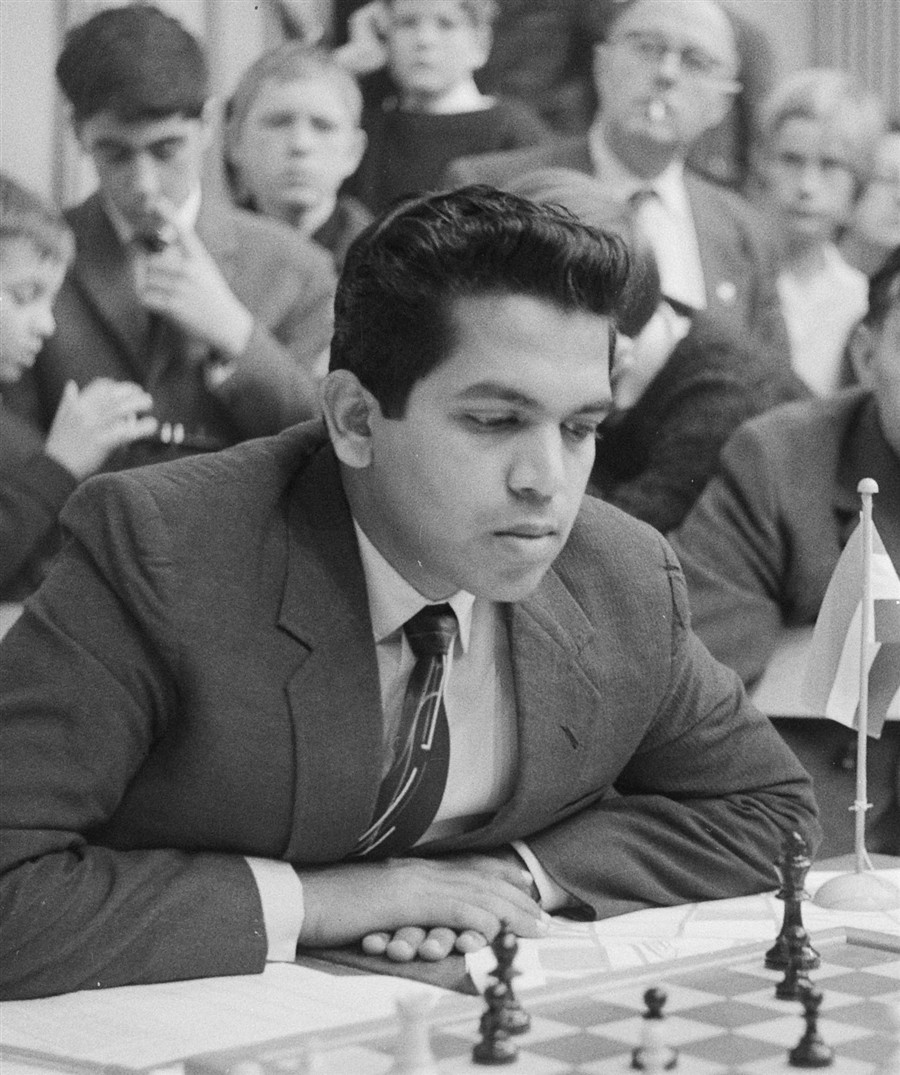
One of the children at the Tal club was Viswanathan Anand. He learned from its lectures and weekend tournaments, and in 1983, aged 13, he beat Manuel Aaron. He played so fast that he was nicknamed the Lightning Kid.
In 1987 he won the World Junior Championship and completed India’s first Grandmaster title. Sources disagree on the month, September or December, and FIDE’s own record dates the title to 1988, when it was confirmed. This site counts the year he completed it: 1987. In 2000 he became world champion.
For more than three years after Anand, India had exactly one Grandmaster. It took until 2000 to reach four.
The explosion
India took 13 years to go from one Grandmaster to four, and about seven to add its last 35. In July 2019 the 64th title filled the board. Since then the squares have spilled over.
The game came home: India hosted the 2022 Olympiad in Chennai, won both gold medals at the 2024 Olympiad, and that year Gukesh D became the youngest undisputed world champion. By July 2022 India had 110,477 FIDE-rated players.
The board fills, then overflows
Drag the slider or press play to send the board through the years and see who arrived.
From one every few years to about one a month
New Grandmasters each year. Hover a bar for the names.
Show the data as a table
In 2026 the titles kept coming. Mayank Chakraborty became the first GM from the North-East in March. Aswath S completed his title at the Pune International GM Round Robin, and on 18 July V. S. Rathanvel crossed 2500 in Guwahati to become the 99th.
Outlets disagree on the order of the 97th and 98th, Harshavardhan G. B. and Aswath S. We show both possibilities until the federation publishes an official list.
Why Chennai
Tamil Nadu’s share has held near a third as the total grew: 23 of 64 GMs in 2019, 26 of 74 in 2022, and 35 of 94 in 2026.
Tamil Nadu has produced more GMs than any other state
Grandmasters by state, all 99. Hover a bar for the names.
Show the data as a table
Tamil Nadu’s line rises alongside India’s
Cumulative Grandmasters by year
Show the data as a table
The reasons are local and practical. Chennai has more than 50 chess academies. Schools such as Velammal back their players; Gukesh and Praggnanandhaa came through it. Coach R. B. Ramesh, himself India’s 10th GM, trains about 100 players in person and 1,000 online.
Individual rigour
Behind each square on the board is a family. Aaryan Varshney was trained by his single father, without an academy or coach.
V. S. Rathanvel had all three norms by 2022, then spent four years chasing the 2500 rating. The norms show a player can beat Grandmasters. The rating shows they can keep doing it.
A person behind every pawn
Photo credits
Since 2000, the typical Indian GM has earned the title at about 20
Approximate age at title (title year minus birth year), one dot per GM. Dashed line: median for each decade.
Show the data as a table
From first norm to title
One line per Grandmaster, from the end of the first GM norm event to the title. Ticks mark the norms in between. Longest waits at the top.
Show the data as a table
Who will be number 100?
The next Grandmaster is probably playing in a norm event right now. To earn the title, a player needs norms and a 2500 rating. These are India’s highest-rated players without the title, and those named as contenders in July 2026, with their rating on the latest FIDE list:
Now compare yourself with the 99. Enter an age and a state.
Explore all 99 Grandmasters, or read how we checked this.